Every year on November 8, World Town Planning Day celebrates the important role planners play in creating healthier, safer, and more connected communities. At BETA, our planners work alongside municipal leaders, residents, and multidisciplinary teams to turn community visions into meaningful improvements that enhance the places where we live, work, and play.
In celebration of World Town Planning Day, we caught up with two members of our planning team, Anna Sangree, AICP, RSP, Senior Project Planner, and Ryan Grew, Lead Transportation Planner, to hear their perspectives on the impact of thoughtful planning, the importance of community engagement, and what inspires their work.
What’s one thing people encounter in their everyday lives that they might not realize is the result of thoughtful community planning?

Anna: Any infrastructure improvement, like roadways, parks, libraries, or schools, usually includes understanding the needs of the community first before developing a facility to meet those needs. There are often trade-offs in design and not every need can be met, but planners, engineers, and designers rely on community feedback to direct a final project that meets community needs.
Ryan: I like to use the example of a walk to school. Connected sidewalks, safe crossings, and welcoming public spaces help make that everyday trip possible and enjoyable. Thoughtful planning gives children greater independence and creates opportunities for neighbors to connect along the way.
How do you ensure that a community’s vision reflects the people who live and work there?
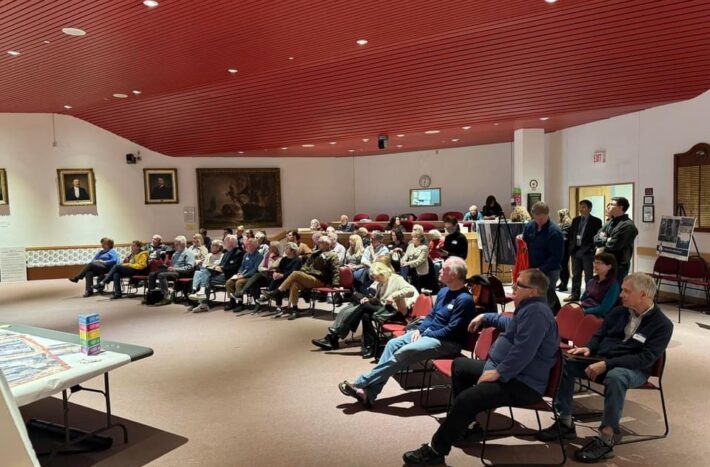
Anna: It’s important to engage early, often, and throughout the planning process. This can mean meeting with key stakeholders in town, doing a public survey, hosting pop-up events at community gatherings, and directly reaching out to abutters when a project is coming up. We try to ask the right questions and genuinely listen to the issues people see in town and the desires they have for improvements. It’s equally important to find the engagement tool that best fits each community. Catering to different needs during the planning process may mean having materials in multiple languages or offering engagement options that do not require standing up for long periods of time.
Ryan: We focus on giving people accessible, meaningful ways to participate and keeping those opportunities open as the work progresses. That means reaching beyond those who typically attend public meetings, showing how feedback informs decisions, and reporting on progress. A community’s vision needs to be revisited regularly as its people and priorities change.
What inspired you to pursue a career in planning, and what continues to motivate you today?
Anna: As cliché as it sounds, I want to make the world a better place, and this is a way to be part of that vision. In my community, I believe people should be able to walk around areas they want to walk without fear of getting hit by a car, and I think everyone should have access to green space and trees. I like to understand what makes each community we work with unique and special, understand their specific needs and desires, and figure out what a “better place” means for them. Finding agreement and facilitating conversations is a really cool thing to be part of.
Ryan: As a kid, building with LEGOs gave me a way to bring my imagination to life. Planning carries that same creative possibility into the places we share. Today, I’m motivated by how accessible parks, trails, and streetscapes can connect people and improve everyday life. We have a responsibility to leave those places better for the generations that follow.
Learn more about BETA’s planning services and how we’re helping communities plan for the future.