
STEM on the Move: How Innovation Shapes Our Built Environment
November 8, 2025
Each year on November 8, STEM/STEAM Day celebrates the science, technology, engineering, art, and math that shape our lives – and at BETA, that innovation is visible in every mile of the communities we serve. From the roads we drive to the rivers we cross, STEM transforms how we interact with the world around us.
Picture your morning commute to work, with intersections designed for safety, bridges built for resilience, and parks restored for connection. Every turn tells a story of how BETA’s work brings STEM to life across the built environment.
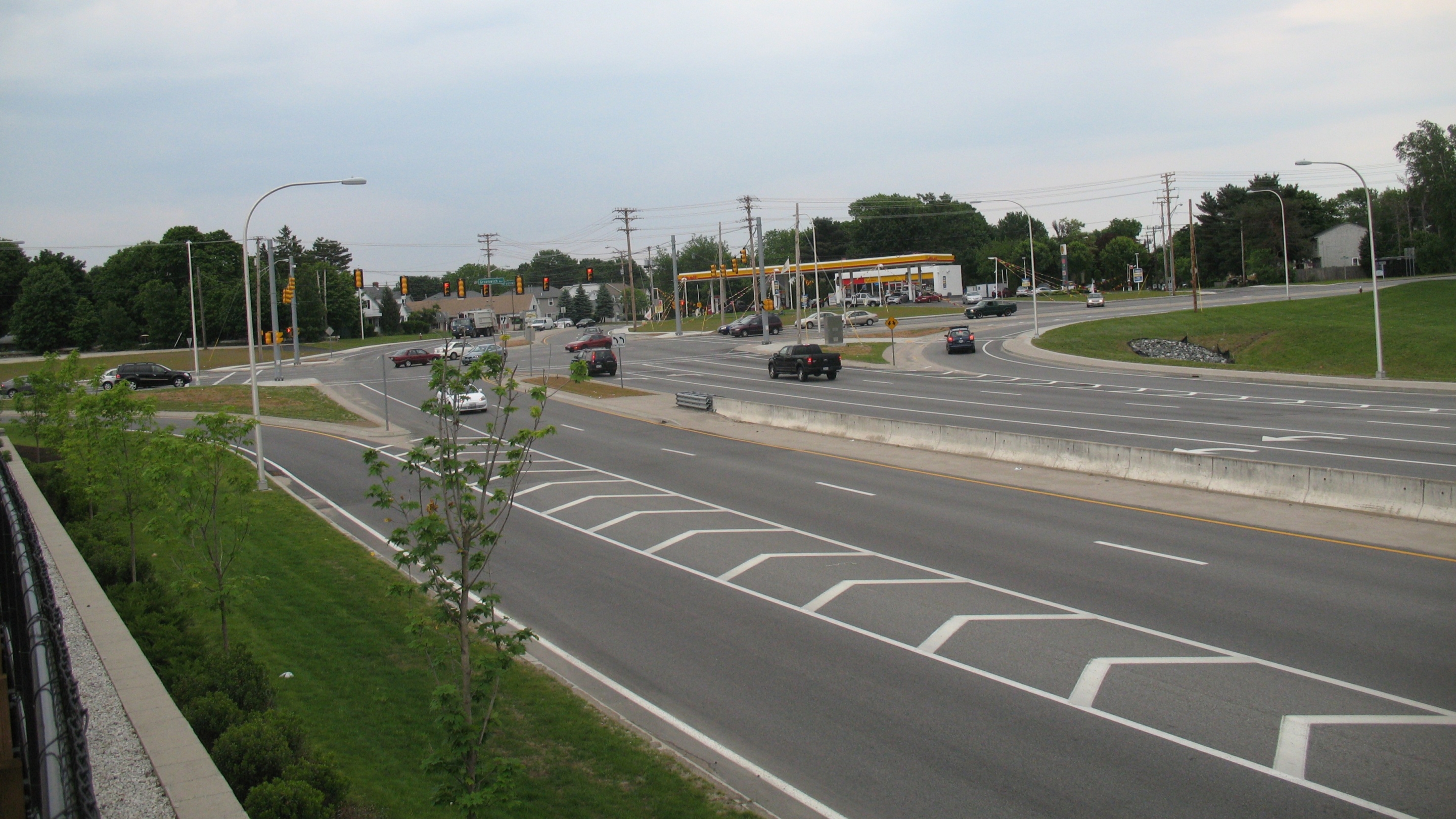
On any local roadway, a smoother, safer trip often begins with engineering and data. When BETA reimagined corridors like Route 5 in Warwick with the Rhode Island Department of Transportation, the goal wasn’t just to reduce congestion, but also to make travel more accessible for all roadway users.
Upgraded signals, new pedestrian crossings, and reconfigured intersections now keep thousands of daily travelers moving efficiently. Even the redesigned Route 5/113 interchange now makes navigation safer and simpler for drivers, cyclists, and pedestrians – proof that engineering isn’t just about roads, but about people.

A few miles up the road, the I-95 bridge replacements over Toll Gate and Centerville Roads demonstrate how structural engineering innovation keeps Rhode Island connected. BETA, partnering with MIG Corporation, helped replace aging bridge superstructures using self-propelled modular transporters (SPMTs), which are massive machines that move entire bridges into place overnight.
This precision-driven process minimized traffic disruptions and demonstrated how technology and teamwork can make even the heaviest lifts seem effortless.
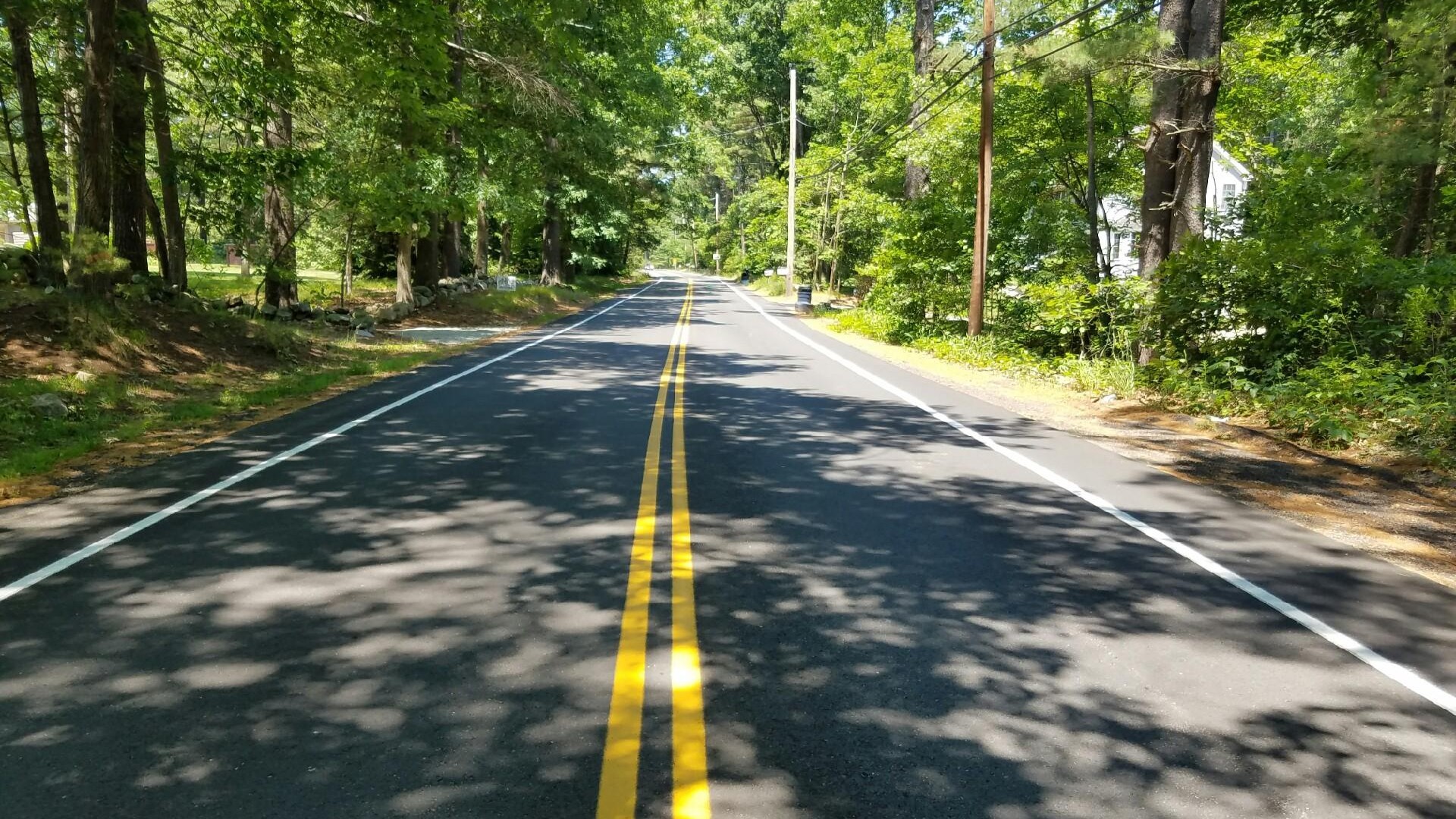
Beyond construction, STEM also drives smarter community planning. In Cranston, BETA developed the city’s Pavement Management Program, using GIS and field inspections to assess and predict roadway conditions across more than 300 miles.
This data-driven approach helps local leaders invest wisely, extend the life of their infrastructure, and make informed decisions that improve daily life for residents.

Reaching Providence, our commute passes some unseen environmental improvements. Before the 1,250-space Garrahy Parking Garage took shape, BETA’s scientists and engineers conducted environmental assessments, soil testing, and contamination cleanup, turning a complex site into a safe, modern facility that supports growth in the I-195 Redevelopment District.
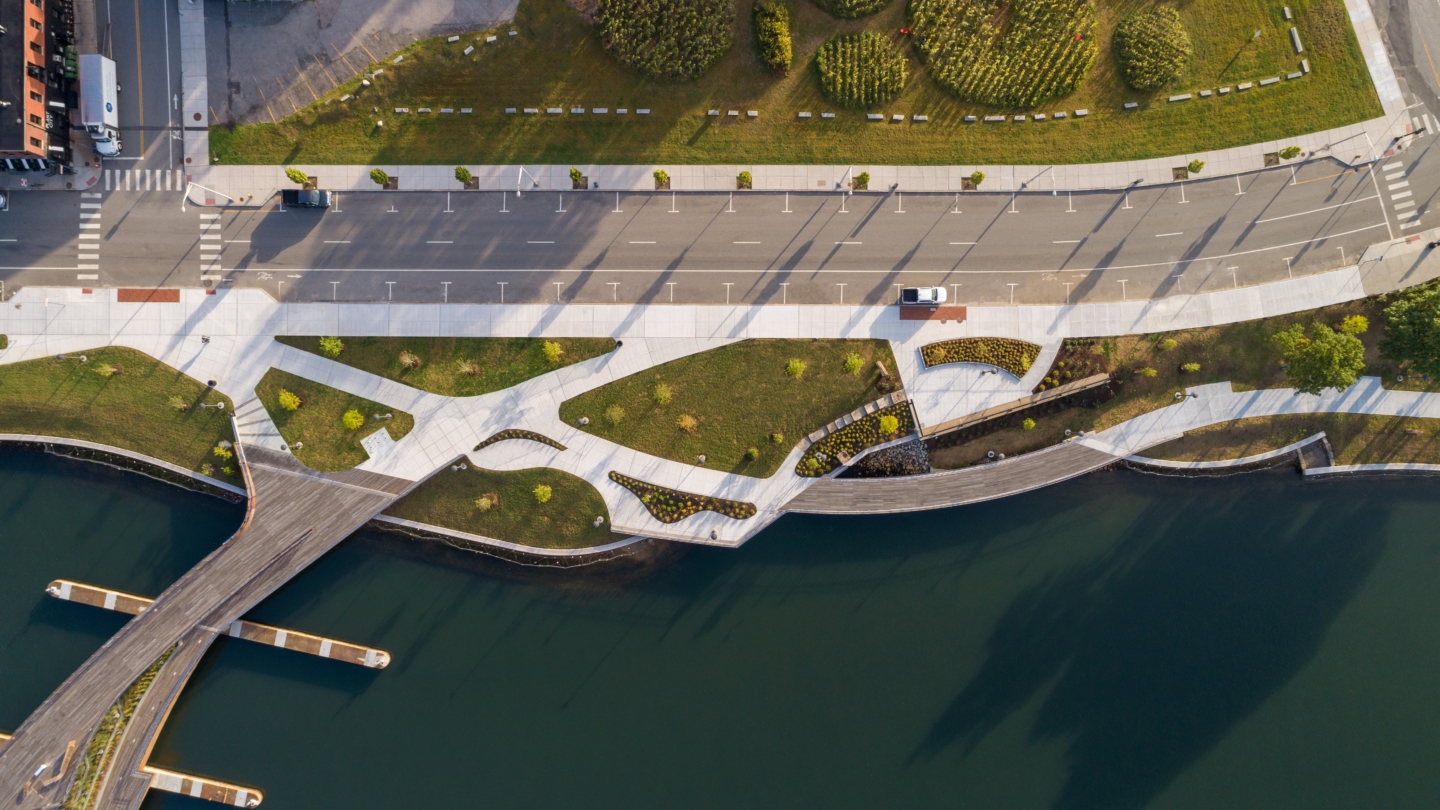
A few blocks away, the East and West Parks and the Pedestrian Bridge show how landscape architecture and engineering can work hand-in-hand to restore natural beauty in urban environments. Rain gardens, sustainable materials, and restored marshes create spaces that connect people to the city’s revitalized riverfront.
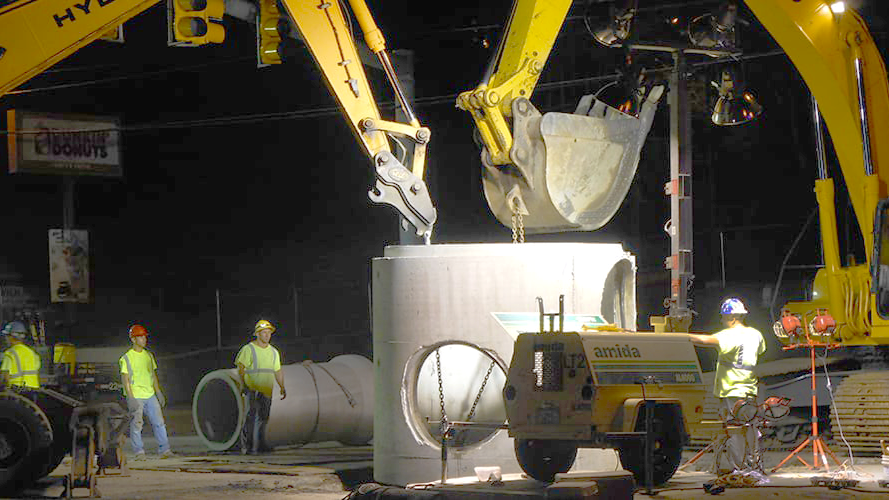
While much of BETA’s work can be seen and touched, some of our most critical projects happen below the surface. Beneath the roadways throughout our commute, the NBC Sewer Separation and Flow Modification project reengineered aging systems to reduce combined sewer overflows and improve water quality in the Moshassuck River.
The restoration work maximizes available capacity within the system and also includes curb setting, sidewalk installation, ADA-compliant wheelchair ramps, and curb-to-curb roadway resurfacing.
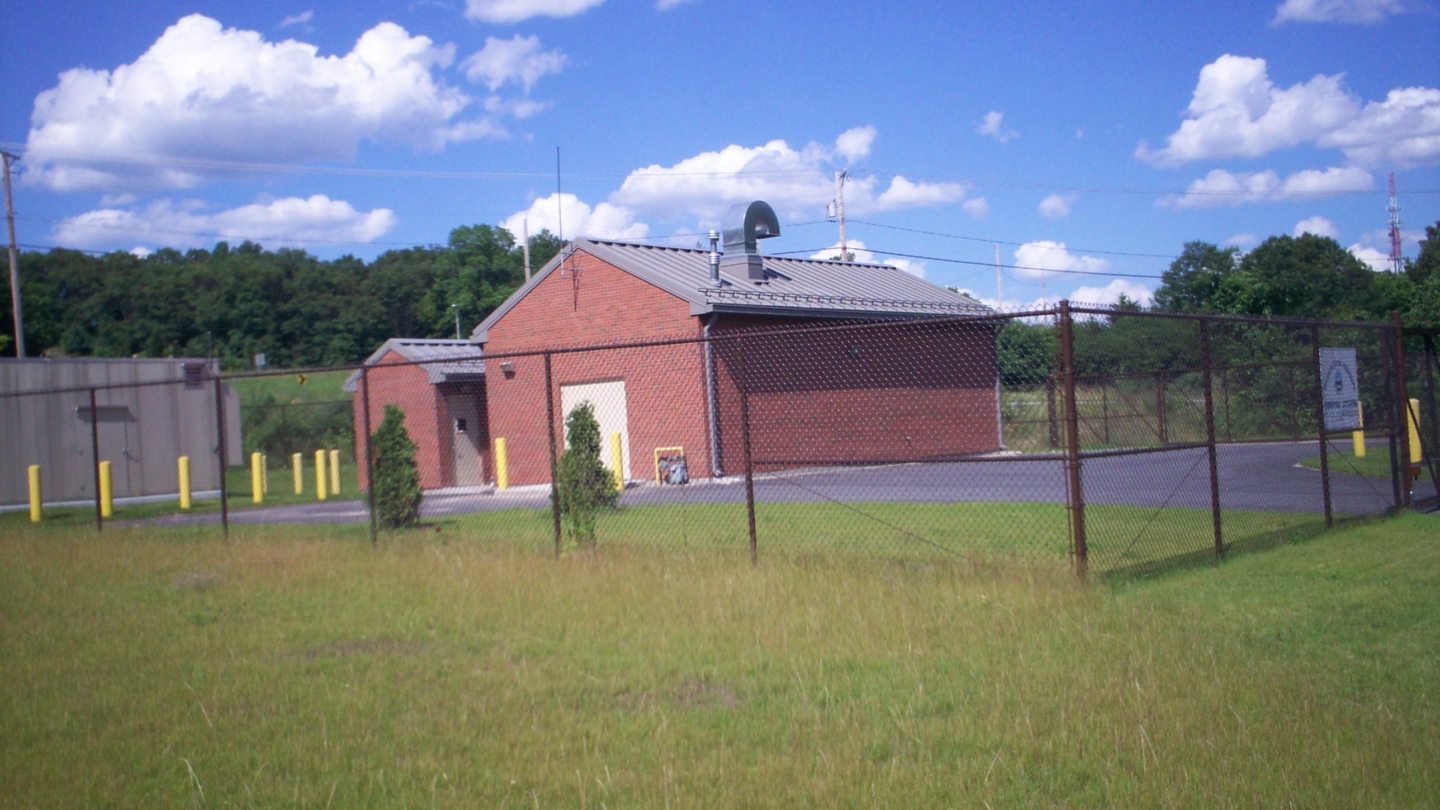
Nearing our headquarters, our commute passes the Washington Highway Pumping Station in Lincoln. When the pumping station was beyond its useful life, BETA was brought on by the town to provide planning, design, and construction administration services for its replacement. The new facility operates with dual force mains and self-cleaning wet wells — innovations that protect public health and the environment while improving system performance.
From transportation and structures to water systems and green spaces, STEM disciplines design the improvements that make your daily drive possible. BETA’s engineers, environmental scientists, and landscape architects apply that same innovation to enhance mobility, sustainability, and resilience across New England. Visit BETA’s portfolio to explore more of our projects shaping New England’s environment and see how STEM continues to move us forward.