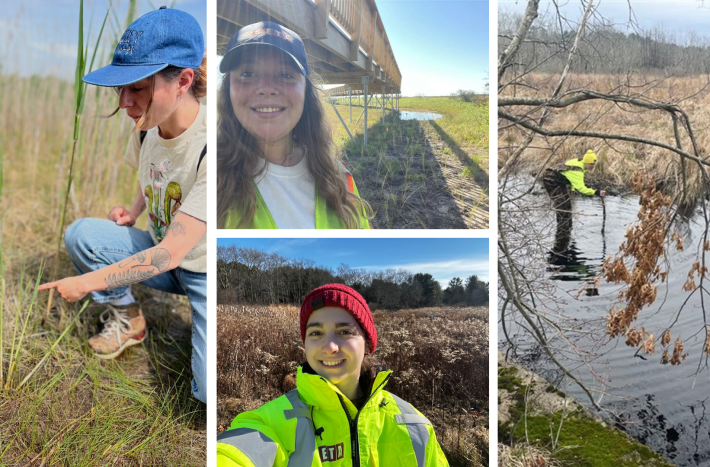
February 11 marks the International Day of Women and Girls in Science, a global reminder of the importance of representation in STEM and the impact women have on shaping our world.
In environmental science, that work often happens outside the spotlight: collecting field data, evaluating risk, navigating regulatory frameworks, and translating complex findings into practical solutions. Today is an opportunity to acknowledge the expertise, discipline, and persistence required to do this work well, as well as the immeasurable value of supporting women’s success across all scientific disciplines.
At BETA, our women scientists are integral to delivering environmental solutions across New England, from site assessments and remediation to ecological evaluations and regulatory compliance. To mark the day, we’re highlighting four team members who shared moments from their work that make them proud to be scientists. Their photos offer a snapshot of science in practice and the hands-on work that supports sustainable outcomes for the communities where we live and work. We’re proud to celebrate their contributions and the expertise they bring to our projects every day.
Mia, Staff Scientist
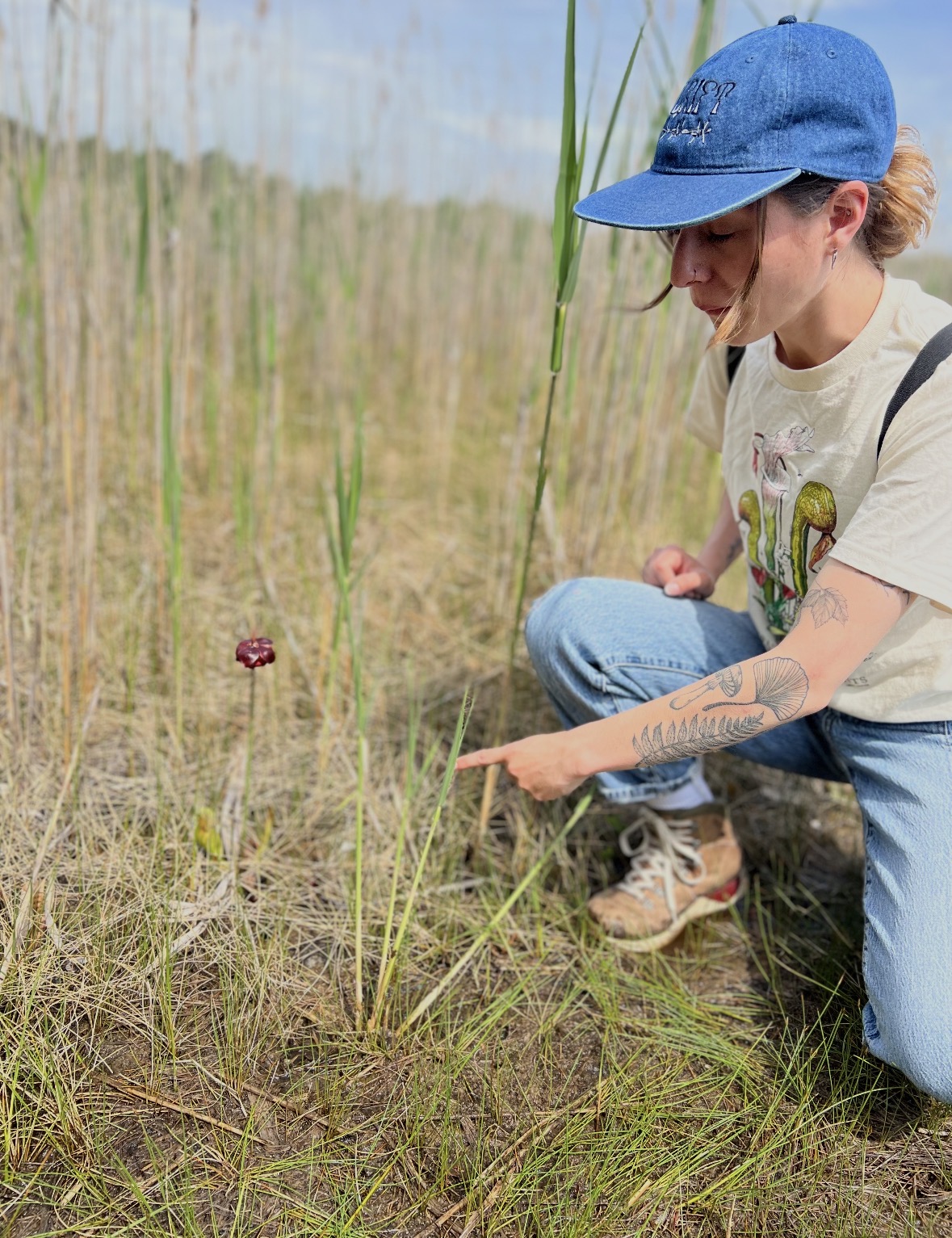
“My dad took this photo of me in the Arcadia Zurich Bog, located in my hometown in New York. It is one of my favorite places to visit while I’m home, and the springtime brings an abundance of bog plant species, such as the purple pitcher plant (Sarracenia purpurea) that I am pointing at. My family is always excited to go to the bog with me, as they love to hear about my favorite kind of wetlands and my extensive knowledge of carnivorous plant species.”
“Fox kits were found on a job site in Boscawen, New Hampshire. I saw these little guys several times and made sure to tell the crews to be aware of them. They sure did enjoy the abundance of blackberries in the area!”
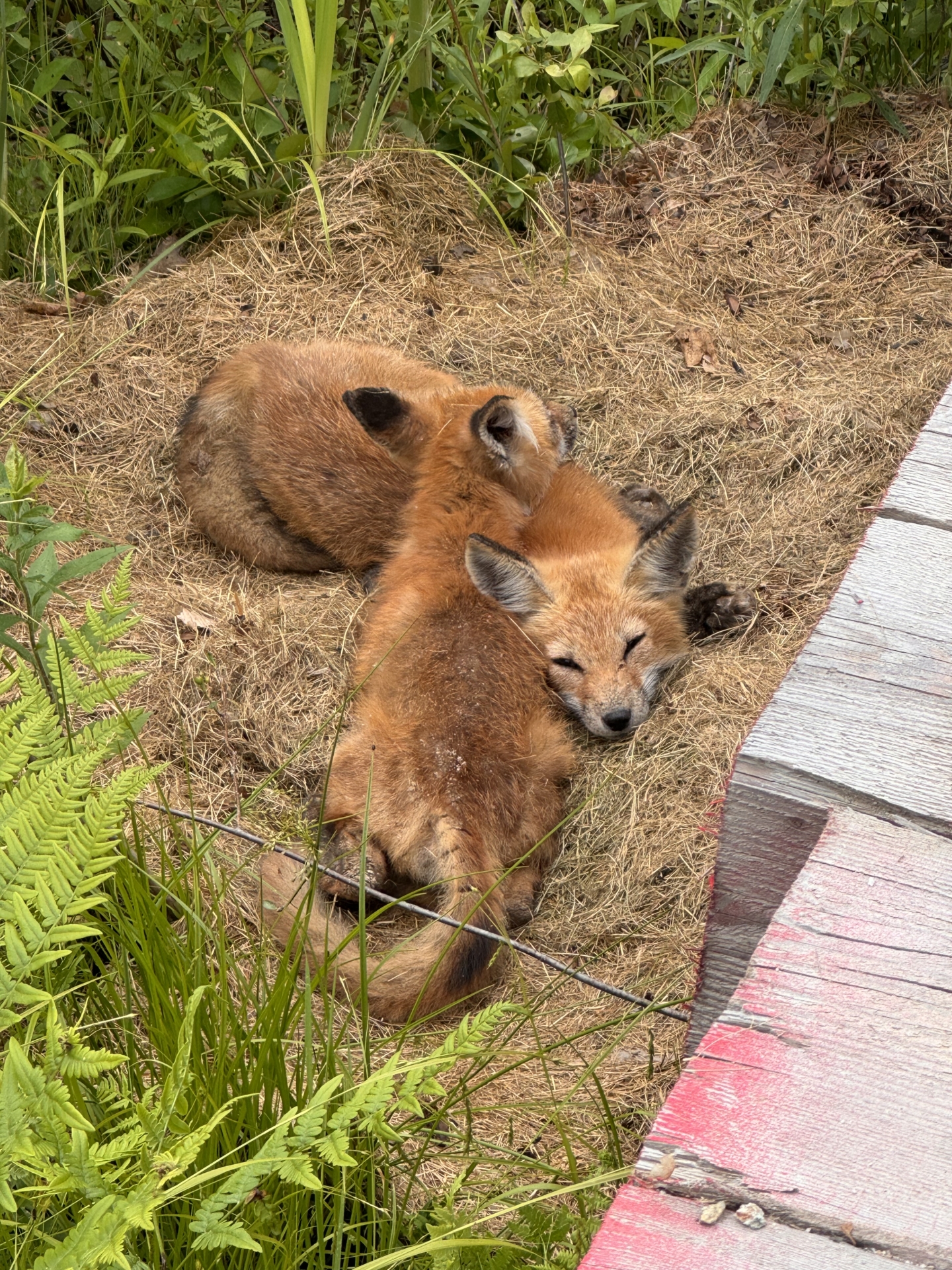

“Soaking up the sun on the same job site in Boscawen, New Hampshire. This was my first project working at BETA, and it was an incredibly valuable experience. During this project, my main responsibility was to monitor sediment and erosion controls and watch for wildlife along the 14-mile-long right-of-way. In addition to my main responsibilities, I used field guides and identification apps to supplement my knowledge of plant and bird species. The crews were always asking me about things they found and general questions about the environment, which made me feel appreciated. This project was a great introduction to the ecosystems and wildlife of New England and set me up for a fulfilling career as a scientist!”
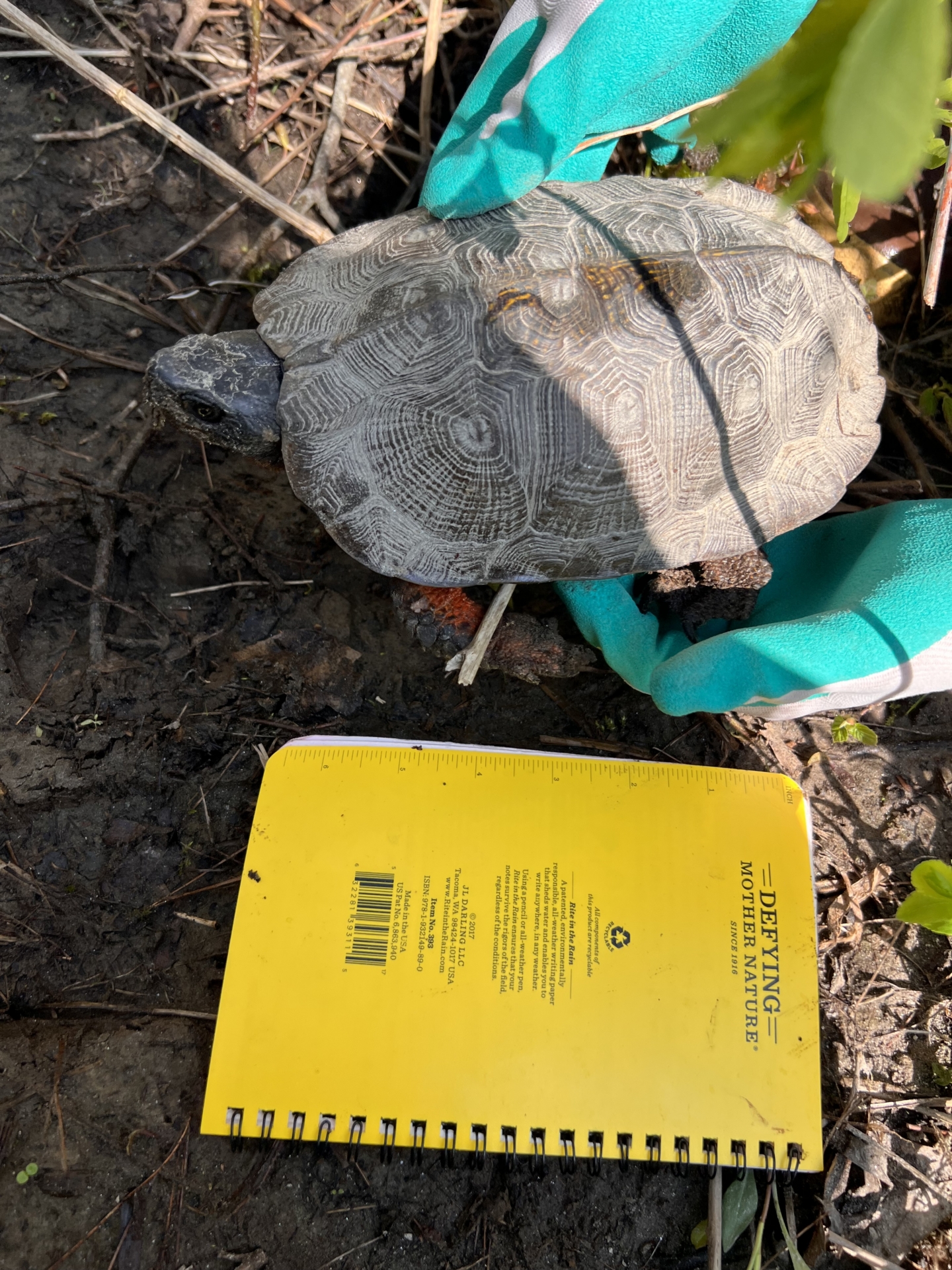
“This is a wood turtle (Glyptemys insculpta), a Species of Special Concern, found on site in Boscawen, New Hampshire. Several locations along this project were identified as rare species habitats, and active species monitoring was required when work was performed in the vicinity of these locations. Working alongside scientists from another firm we partnered with, we did sweeps of the area and documented occurrences of the wood turtle, then reported it to New Hampshire Fish and Game. It was such a thrill to encounter this species and to contribute to its survival.”
Elyse, Project Scientist
“Overall, I find the field component of being an environmental scientist to be the most exciting aspect of the job. I get to see a lot of unique environments and landscapes. New England is full of beautiful places, and because of what I do, I get to learn a little bit more about these locations every day.”
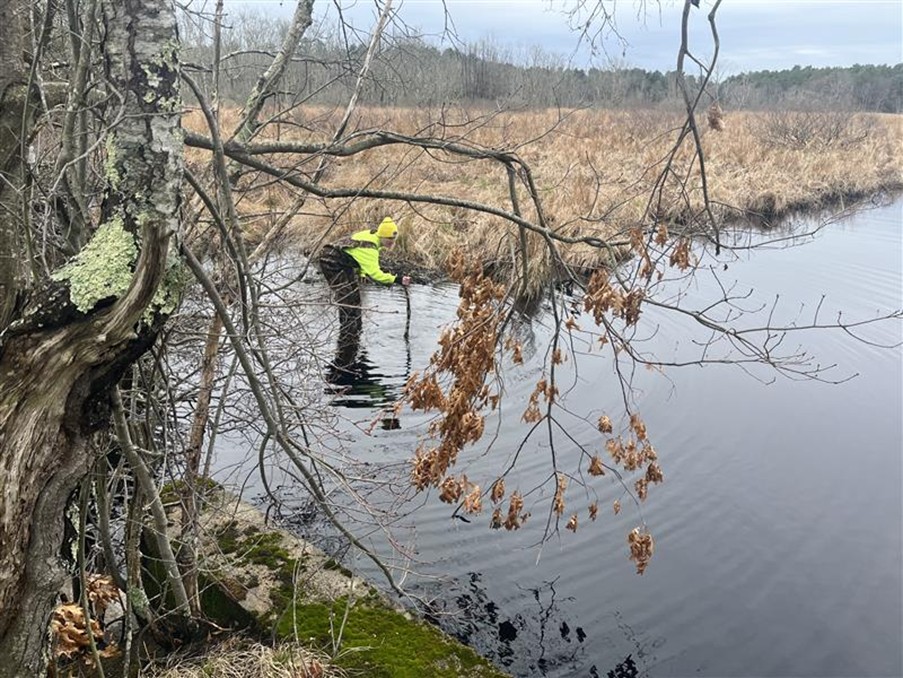
“This is a photo of me in waders along Stump Brook. I was performing a wetland delineation within the Burrage Pond Wildlife Management Area in Halifax, Massachusetts.”
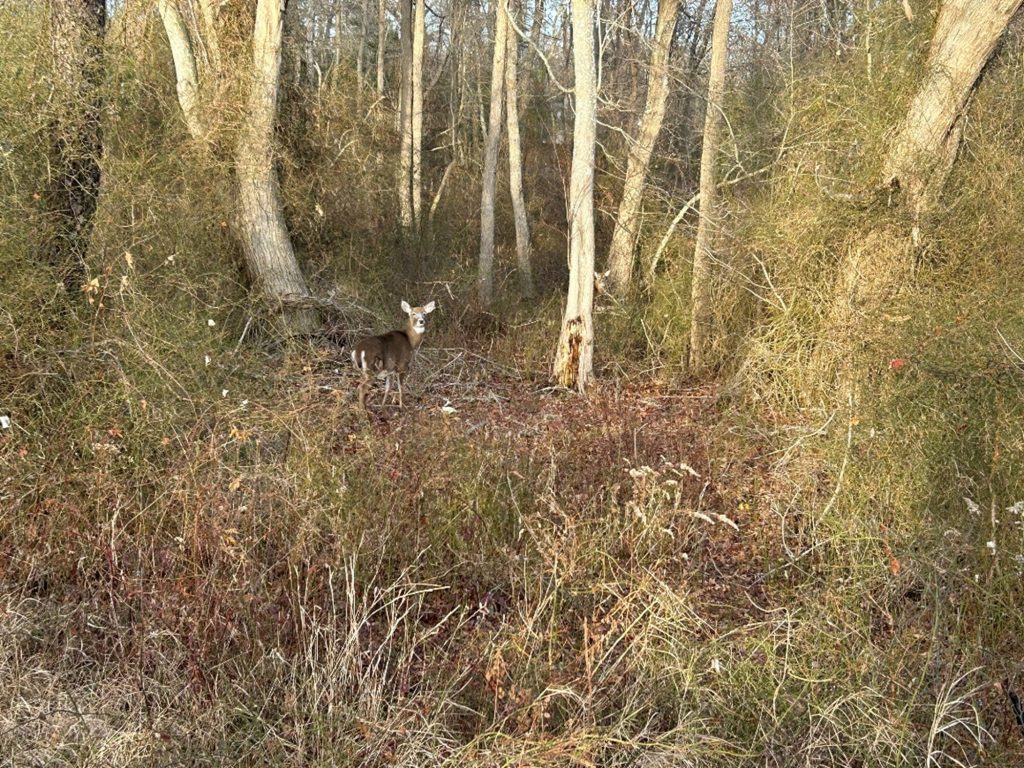
“I saw some deer observing me while I performed an environmental monitor inspection at an active construction site. If you look closely, there are actually two deer!”
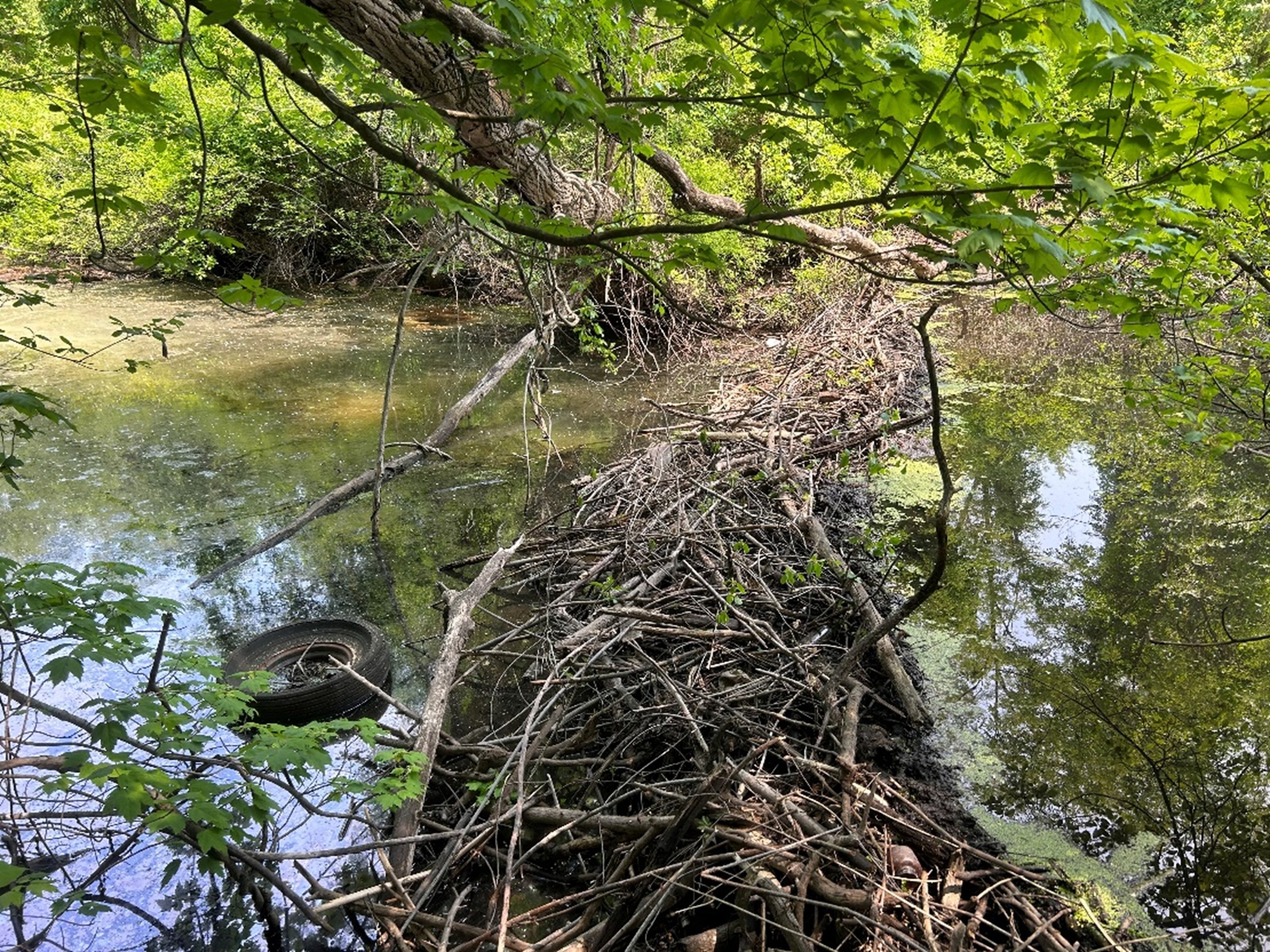
“I observed this large beaver dam during a delineation in Framingham, Massachusetts.”
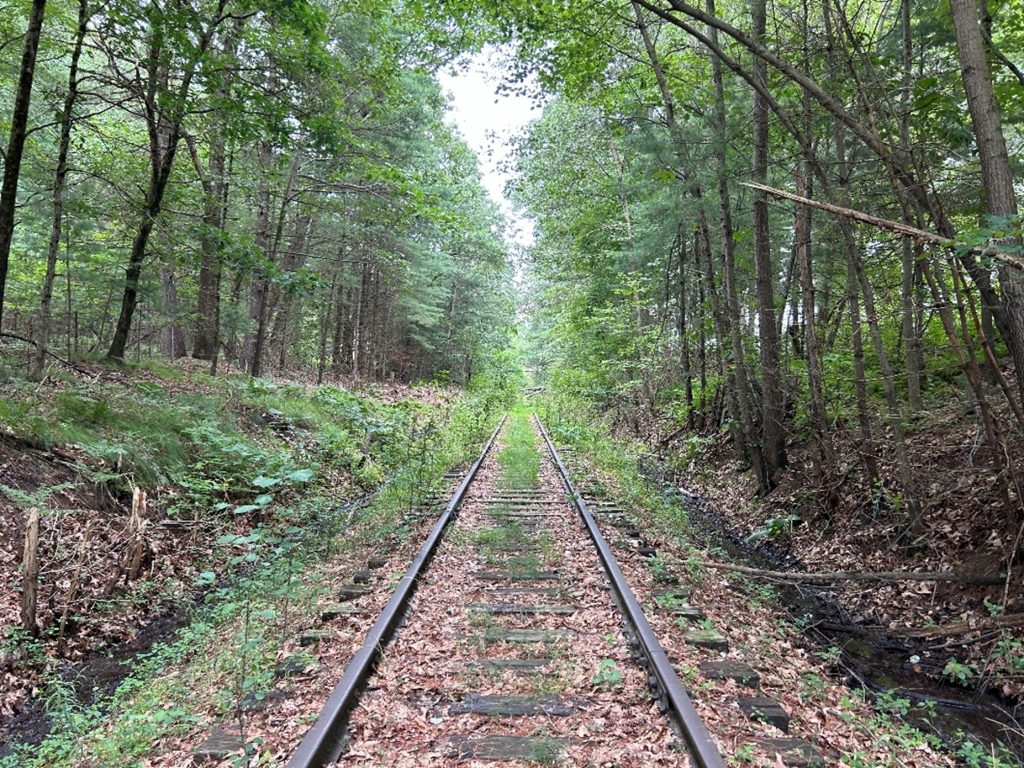
“I came across this abandoned rail line during a site investigation of environmental conditions in Framingham, Massachusetts.”
Anna, Scientist
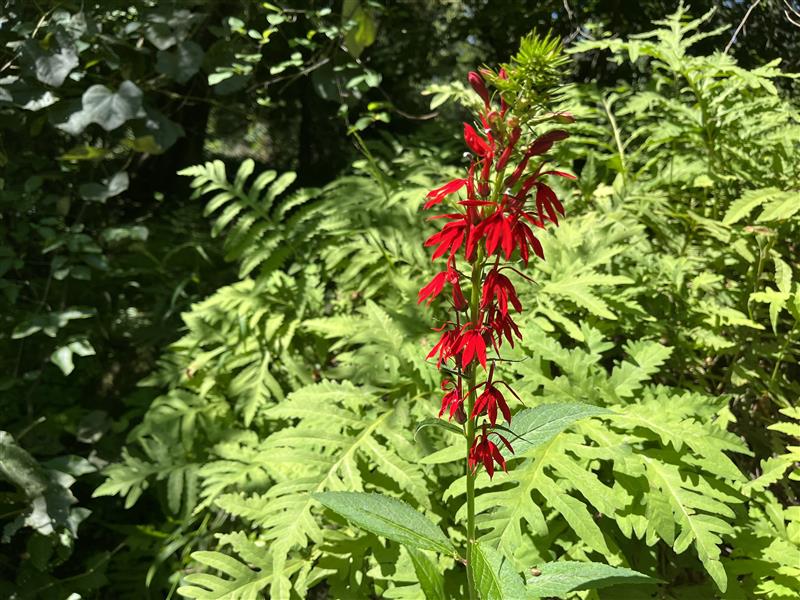
“During a delineation along the Ten Mile River in East Providence, Rhode Island, I came across one of my favorite native plants, cardinal flower (Lobelia cardinalis), growing along the bank in its natural environment. Native New England plants are one of my biggest interests, and the cardinal flower is a species I find particularly beautiful and interesting. This herbaceous plant plays an important ecological role by providing nectar food sources for hummingbirds, butterflies, and moths. It has coevolved with wildlife such as the ruby‑throated hummingbird (Archilochus colubris). By delineating this area, we are assisting in protecting these habitats and helping to ensure that these species and their coevolutionary relationships can continue to thrive.”
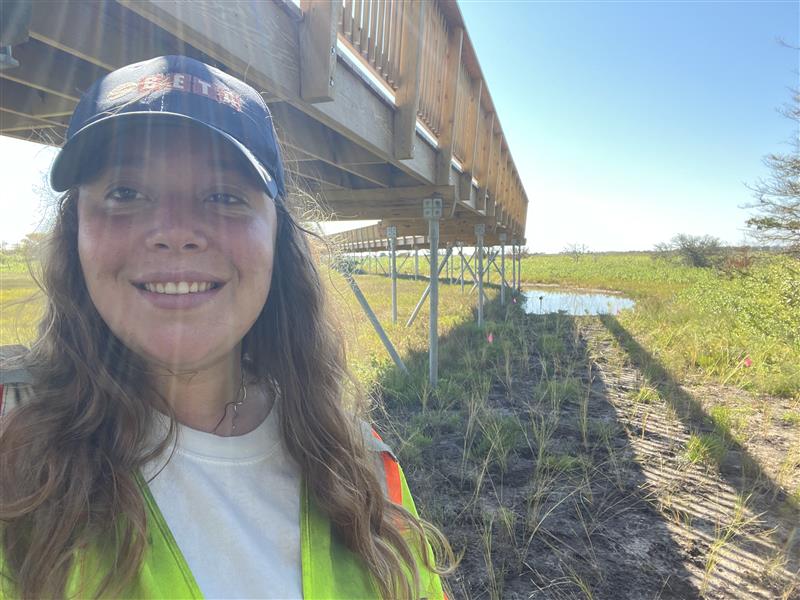
“This picture was taken at Riverwalk Park in Yarmouth, Massachusetts. As part of this project, a boardwalk was installed throughout the salt marsh to give the public an opportunity to view and appreciate the ecosystem. Portions of the salt marsh were also proposed for restoration, and I had the opportunity to help oversee this work. Prior to joining BETA, I worked primarily in restoration ecology, which remains one of my greatest interests. Being a part of the Riverwalk team has allowed me to learn new ecological restoration practices while contributing to a project that will allow the public to enjoy a thriving salt marsh.”
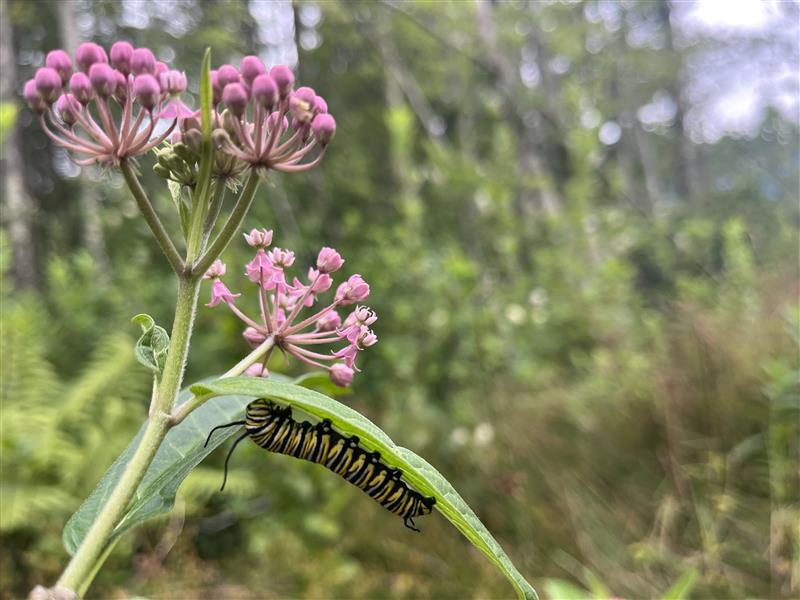
“I have been working on a project in Rochester, Massachusetts, where I conduct Stormwater Pollution Prevention Plan (SWPPP) inspections and monitor the wetland replication, wetland restoration, and stream replication areas to ensure compliance with project permits. Throughout my inspections, I have frequently come across monarch butterfly (Danaus plexippus) caterpillars on the swamp milkweed (Asclepias incarnata) planted as part of the replication and restoration work. Milkweed and monarchs share a specialized mutualistic relationship, as monarch caterpillars rely on milkweed as their primary food source. I feel lucky to be able to assist in protecting and enhancing monarch habitat during my daily work!”
Hannah, Staff Scientist
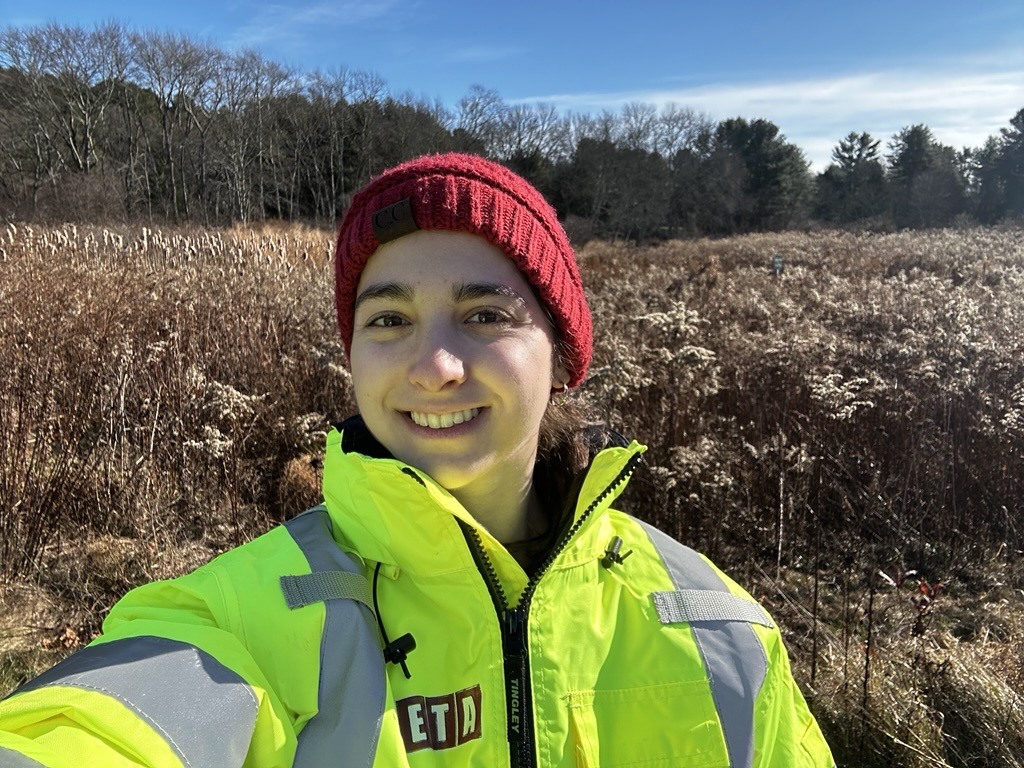
“I took this photo at the Regency at Glen Ellen residential development in Millis, Massachusetts, while I was conducting a monthly stormwater inspection. Behind me is vegetation along the banks of a brook, which is one of the monitoring locations at this site. I enjoy the walk around this neighborhood every month as part of the stormwater inspections.”